

 Climate change is not just a standard environmental issue; it also creates a major financial liability for savvy rental property investors. Varied weather behavior, increasingly severe environmental episodes, and lingering seasonal stress on buildings are continually elevating long-term maintenance expenses. The climate’s impact on rentals today is accelerating wear on roofs, HVAC systems, foundations, and exteriors, making climate-related maintenance a mandatory process for protecting your property and prudently planning for the future.
Climate Impact on Rentals & Why Investors Can’t Ignore the Shift
For a generation or more, building rental property maintenance mapped out along quite predictable patterns. This proves particularly true for seasonal maintenance, which was typically handled at the exact same time frame each year. Today, those underlying realities are shifting fast, right along with our global climate. Extreme weather and related climate shifts are inevitably changing how often rental properties need repairs, how long major systems can last, and how much investors must budget for regular upkeep.
Perhaps the most intricate facet of this situation is that the climate impact rental homes endure is rarely tied to a solitary severe event. It builds up via cumulative stress over time: intensely hotter summers, heavy deluges, stronger storms, and swinging winter conditions that gradually but permanently generate increased wear and maintenance costs.
From the perspective of rental property owners, this dynamic means:
- Condensed replacement cycles for major appliances and structures
- A heightened dependency on frequent inspections and preventative repairs
- Greater long-term operating expenses (if tactical adjustments are neglected)
Disappointingly, misjudging changing climate trends can stealthily deplete a portfolio’s profitability over time. Because of this, property buyers must immediately formulate plans to mitigate the impact our changing climate will have on their baseline revenue.
Key Climate-Driven Maintenance Challenges
As we research how climate and the environment impact rental properties, it is clear that property exteriors are destined to demonstrate the earliest signs of increasing wear. Simultaneously, major internal utilities are uniquely vulnerable to shifting climate change trends. A selection of the key maintenance challenges that real estate investors should map out includes:
- Heavier Rainfall and Flood Risk: Increased rainfall imposes severe stress on shingles, gutters, drainage paths, and crawlspaces. Even real estate located entirely outside historic flood channels can suffer from moisture intrusion, causing black mold, compromised framework, and structural concerns that increase total maintenance costs.
- Rising Temperatures and Heat Stress: Sustained high heat forces HVAC systems to work longer and harder. Furthermore, roof sealants, vinyl materials, and outer paint coatings break down rapidly when exposed to prolonged heat and UV exposure, which naturally increases the cycle of replacements and repairs.
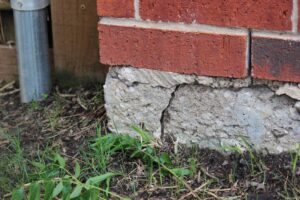
- Colder Extremes and Freeze-Thaw Cycles: In colder geographic territories, volatile winter temperatures produce repeated freeze-thaw cycles. This mechanism triggers cracked concrete walkways, fractured brickwork, and frozen or burst pipes, all of which prove immensely costly and disruptive.
- Increased Storm Intensity and Wind Damage: Stronger storms multiply the likelihood of missing siding panels, broken windows, damaged boundary fences, and fallen trees. Keep in mind that even when landlord insurance covers major events, high deductibles and uncompensated property maintenance still impact monthly cash reserves.
Because of these and other climate-related events, the added physical stress of climate change quickens baseline wear and tear and advances the aging process of building materials. Roof structures wear down early, exterior paint finishes fail, and critical mechanical systems hit the end of their operational usefulness prematurely.
In the long run, this accelerated wear compounds costs. What previously dictated required maintenance every ten or fifteen years might now need attention much sooner, altering necessary long-term budgeting and anticipated investment return parameters.
Real Estate Climate Upkeep Strategies That Protect ROI
Facing a climate-stressed environment, maintaining a passive strategy for repair and maintenance ultimately results in a far heavier financial burden. Emergency repairs, premium dispatch expenses, and resident displacement bills routinely generate extra overhead that lowers asset capitalization.
Preventive maintenance, by comparison, establishes long-term predictability. By correcting minor structural anomalies early on, real estate professionals can extend and stabilize operating expenses even when ecological baselines fluctuate.
Broadly speaking, a progressive master plan for climate maintenance in real estate prioritizes property safety and loss prevention. For this explicit reason, institutional investors are consistently choosing:
- Heightened frequent inspections of vulnerable locations
- Climate-matched materials and upgrades
- Corrective drainage, ventilation, and insulation
- Timely repairs to mitigate weather-instigated compounding issues
Bound together, these tactical choices always serve to control costs and reduce surprise expenses.
Climate Trends Are a Maintenance Reality, Not a Future Problem
The climate-related impact on rental properties is undoubtedly shifting long-term maintenance costs. Syndicators who identify this development at this time and build frameworks sequentially will be expertly armed to protect and preserve the value and cash flows of their assets. Make no mistake, climate-aware maintenance isn’t optional; it’s strategic.
Inside Real Property Management Diversified, maintenance blueprints evaluate active real-world scenarios rather than bygone traditions. The qualified local experts in Ocala and proximal territories are waiting to step in. Contact us on the web at your earliest convenience or ring 352-854-2221 to grasp how our predictive, climate-aware maintenance models help rental property investors draft their blueprints with deep assurance.
This content is provided for general informational and educational purposes only and does not constitute financial, legal, tax, or investment advice. Readers should consult with licensed professionals regarding their specific circumstances.
We are pledged to the letter and spirit of U.S. policy for the achievement of equal housing opportunity throughout the Nation. See Equal Housing Opportunity Statement for more information.
